


Why Oil Leaks Should Be Fixed Before Repairs Become Excessive Oil leaks may start small, but they can lead to major repair costs if ignored.
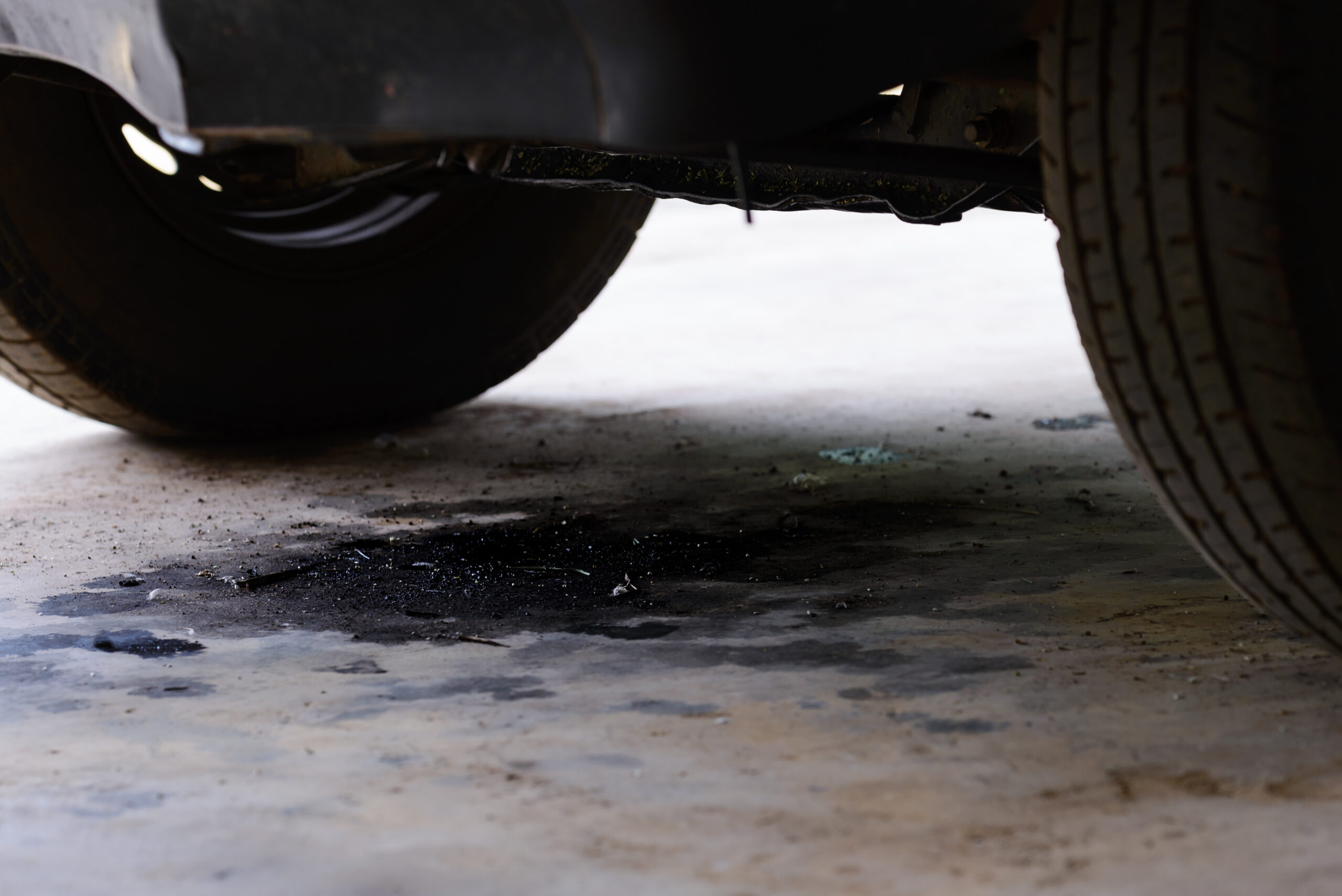
Oil leaks may start small, but ignoring them can lead to excessive repair costs, serious engine damage, and avoidable breakdowns. Modern engines depend on proper oil pressure, clean lubrication, and tight internal tolerances. When oil starts leaking, the problem is more than just a mess on the driveway.
Oil is the lifeblood of your engine. Keeping the correct amount of oil inside the engine is one of the most important parts of protecting your vehicle.
Key Takeaways
- Oil leaks can lead to catastrophic engine damage if the oil level or oil pressure drops too low.
- Modern engines use thinner oils and tighter tolerances, making proper lubrication even more important.
- Oil leaks can create fire hazards when oil contacts hot exhaust components.
- Leaking oil can damage rubber hoses, belts, mounts, bushings, boots, wiring, sensors, starters, and alternators.
- Warning lights, engine noises, burning smells, or oil spots should not be ignored.
- Fixing oil leaks early can help prevent larger and more expensive repairs.
Why Oil Is So Important to Your Engine
Today’s engine oils are thinner and more chemically complex than ever before. Many modern vehicles use oils such as:
- 0W-20
- 0W-16
- 0W-8
At the same time, modern engine tolerances are tighter and more precise. That means the oil has a big job to do. It must lubricate, protect, cool, and help operate certain engine components.
The most important point is simple: the oil needs to stay inside the engine.
When oil leaks out, the engine may not have enough oil volume or oil pressure to protect itself. That can quickly lead to damage.
3 Major Problems Caused by Oil Leaks
Oil leaks are more than a minor inconvenience. The three biggest problems caused by oil leaks are:
- Catastrophic engine damage
- Fire hazards
- Deterioration of rubber and electrical components
Each one can turn a small leak into a much larger repair.
Catastrophic Engine Damage
Catastrophic engine damage is one of the most serious risks of ignoring an oil leak. When this happens, the vehicle may break down, go into limp mode, or begin making loud and concerning engine noises.
Common Warning Signs Before Engine Damage
Before severe engine damage occurs, you may notice:
- Low oil pressure warning light
- Knocking noise from the engine
- Clicking or ticking noise from the engine
- Variable valve timing codes
- Check engine light
- Poor engine performance
- Limp mode
Low Oil Pressure Warning Light
The low oil pressure warning light can come on for more than one reason.
Sometimes, the issue is a simple electrical failure of the oil pressure sensor. In that case, the engine may still have oil pressure, but the sensor is reporting incorrectly.
However, the light may also be warning you of a real problem, such as:
- Low oil level
- Lack of oil pressure
- Failing oil pump
- Internal engine wear
If the low oil pressure light comes on, the safest move is to stop driving and have the vehicle inspected by a professional repair shop. Continuing to drive with low oil pressure can destroy an engine.
Clicking or Ticking Engine Noises
Clicking or ticking noises often come from the top of the engine, especially in the valve train area.
A common cause is hydraulic lifters losing oil pressure and collapsing. This type of noise is often seen on vehicles where oil pressure or oil condition affects lifter operation.
Knocking Engine Noises
A knocking noise is usually more serious. It often points to damage in the bottom end of the engine, especially around:
- Rod bearings
- Main crankshaft bearings
- Internal rotating components
When this type of damage occurs, the engine may already be severely damaged. In many cases, engine replacement becomes likely.
Variable Valve Timing Codes
Another warning sign we commonly see before engine damage is timing-related codes.
Examples include:
- P0012: Intake Camshaft Position “A” – Timing Over-Retarded, Bank 1
- P0024: “B” Camshaft Position Timing Over-Advanced or System Performance, Bank 2
These codes can be caused by a failed variable valve timing component. However, they can also happen when the engine oil level is low.
Many variable valve timing systems rely on oil pressure to operate. If the oil level or oil pressure is too low, those components may not actuate properly.
If you notice warning lights, engine noise, timing codes, or low oil pressure concerns, have the vehicle inspected before the problem gets worse.
Oil Leaks Can Create Fire Hazards
The next major concern with oil leaks is the possibility of a fire. This can happen in two main ways:
- Oil spraying or misting onto hot components
- Oil buildup near hot components
Oil Spraying or Misting
If a line carrying high-pressure oil fails, it can spray a fine mist of oil onto hot exhaust components. Because the oil is broken into small droplets, it can heat rapidly and ignite quickly.
Oil Buildup Near Hot Components
Oil can also drip, leak, or pool near hot engine and exhaust components. This is especially concerning during extreme hot weather or after prolonged idling.
As the oil continues to heat up, it can eventually reach a flashpoint and ignite.
If you ever experience a vehicle fire, turn off the engine as soon as possible and move away from the vehicle safely.
Engine fires may not be common, but when they happen, the results can be severe and may total the vehicle.
Oil Leaks Damage Rubber and Electrical Components
One of the most overlooked problems with oil leaks is the damage they can cause to rubber and electrical components.
When oil leaks onto nearby parts, it can coat, soak, and deteriorate components that were never designed to be exposed to oil.
Rubber Components Oil Can Damage
Oil can damage many rubber parts, including:
- Coolant hoses
- Belts
- Engine mounts
- Transmission mounts
- Dampers
- Gaskets
- Bushings
- CV axle boots
- Steering rack boots
How Oil Damages Hoses
When oil gets onto rubber hoses, it can cause the rubber to swell, soften, and become spongy. This can lead to hose failure.
A failed coolant hose can quickly cause:
- Coolant leaks
- Overheating
- Breakdowns
- Additional engine damage
How Oil Damages Belts
Oil on belts can cause:
- Belt noise
- Belt slipping
- Poor pulley grip
- Premature belt failure
A slipping or damaged belt can affect other systems, depending on what the belt drives.
How Oil Damages Mounts and Bushings
Oil can soften engine mounts, transmission mounts, and suspension bushings. When this happens, the rubber may no longer support or isolate movement properly.
This can lead to:
- Excessive vibration in the cabin
- Engine or transmission movement
- Clunking noises
- Premature wear on surrounding components
How Oil Damages CV Axle and Steering Boots
Boots are commonly used to protect CV axle joints and steering rack components. If oil softens these boots, they can split open.
Once a boot splits, the protective grease inside can leak out. Dirt and debris can then enter the joint, causing rapid wear and eventual failure.
Oil Leaks Can Cause Electrical Problems
Oil leaks can also lead to electrical issues that are difficult and expensive to repair.
Wiring Harness Damage
When oil leaks onto wiring harnesses, it can degrade the outer protective sheathing. Over time, this can lead to:
- Wiring breaks
- Shorts
- Communication issues
- Intermittent electrical problems
These repairs can be difficult because damaged wiring may require harness repair or full harness replacement.
Sensor and Module Damage
Oil can also wick through wiring and reach the inside of sensors. When this happens, the sensor may fail or send incorrect data to the vehicle’s modules.
In severe cases, oil can reach major control components such as:
- Engine control module
- Power control module
- Fuse box
- Main electrical connectors
These repairs can become very costly.
Starter and Alternator Damage
Another common issue is oil leaking onto the starter or alternator. Once oil gets inside these units, it can short circuit the internal components and cause failure.
Warning Signs You May Have an Oil Leak Problem
Oil leaks are not always obvious right away. Some leaks drip onto the ground, while others collect on engine parts or burn off before they reach the driveway.
Signs to Watch For
Have your vehicle inspected if you notice:
- Oil spots under the vehicle
- Burning oil smell
- Smoke from the engine area
- Low oil level
- Low oil pressure warning light
- Check engine light
- Engine ticking or knocking
- Oil-covered hoses or wiring
- Oil leaking near the starter or alternator
- Unusual belt noise
A small oil leak today can become a major repair later. Catching the leak early gives you the best chance of preventing engine damage, overheating, electrical problems, or avoidable breakdowns.
What to Do If You Notice an Oil Leak
If you notice an oil leak, the best step is to have the vehicle inspected before the issue becomes more serious.
A professional inspection can help determine:
- Where the leak is coming from
- How severe the leak is
- Whether oil has damaged other components
- Whether the vehicle is safe to drive
- What repairs should be prioritized
Oil leaks rarely get better on their own. The sooner the source is found and repaired, the better chance you have of preventing larger repair costs.
Schedule Oil Leak Repair With 360 Automotive & Repair
Oil leaks are more than just a messy inconvenience. They can lead to serious engine damage, fire hazards, and premature failure of rubber or electrical components.
Modern engines rely heavily on proper oil pressure and clean operation. Even a small leak can create larger problems if left unchecked.
If you notice oil spots, burning smells, warning lights, unusual engine noises, or visible leaks, have the vehicle inspected before the issue becomes more serious.
Please reach out to us at 360 Automotive & Repair. We would love to help.
Seeing oil spots or smelling burning oil?
Do not ignore it. Oil leaks can damage your engine, rubber components, wiring, sensors, starter, alternator, and more. Call us to schedule an inspection.
Related Reading
Sorry, we couldn't find any posts. Please try a different search.